
The Vampire Facelift (PRP Facial): A Comprehensive Guide
The Vampire Facelift uses platelet-rich plasma from your own blood. Here is how it works, what to expect and what the risks are, for adults who want to discuss it with a physician at AWAREmed in Johnson City, TN.
The information provided on this website is for educational purposes only and is not intended to diagnose, treat, cure, or prevent any disease. Individual experiences vary. Please consult your licensed healthcare provider before making medical decisions.
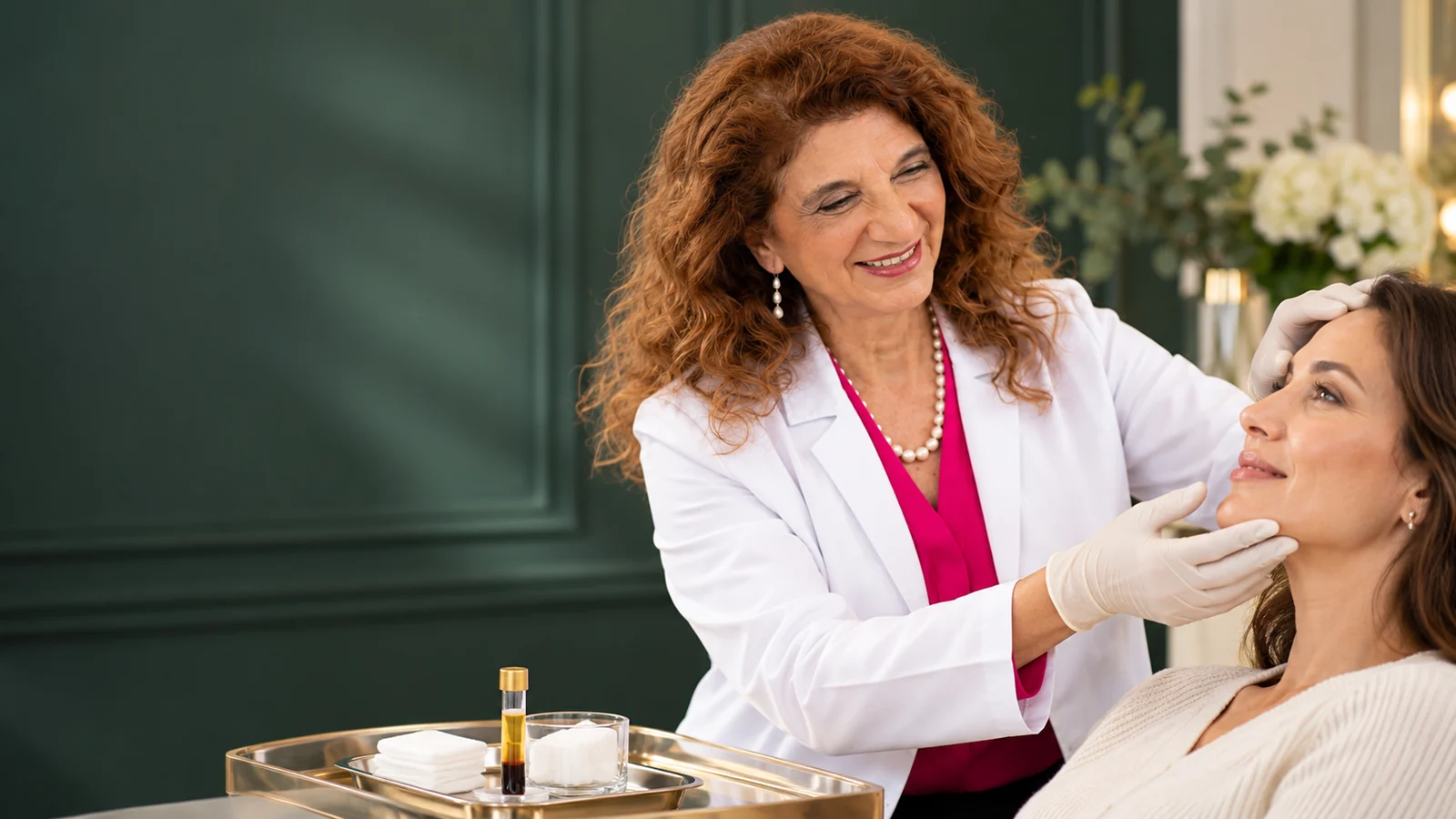
In today's age, where many people are looking for ways to look refreshed as they get older, the Vampire Facelift has become a popular non-surgical option for those seeking to address visible signs of aging. This cosmetic procedure has garnered substantial attention in recent years, capturing the interest of individuals hoping to soften the signs of aging without invasive surgery. As we embark on this comprehensive guide, we'll navigate through the intricacies of the Vampire Facelift, shedding light on its growing popularity and its place in aesthetic medicine.
As we age, the Vampire Facelift offers an alternative for people who want a refreshed look without going under the knife. Its appeal lies in its potential to improve the look of the skin and in its non-surgical nature, offering a less invasive option for those wary of traditional facelift surgeries. Celebrity and influencer attention has helped the Vampire Facelift rise quickly in popularity.
Before considering this procedure, it is important to understand it well. It's essential to understand the science behind the Vampire Facelift, its potential benefits, and any associated risks. By gaining a comprehensive understanding of the procedure, individuals can make informed decisions about their skincare regimen and ensure that their expectations align with reality.
In this guide, we explain the Vampire Facelift step by step, to give you the knowledge you need in the ever-evolving field of aesthetic medicine. Whether you're considering this procedure for the first time or seeking to deepen your understanding, our guide will equip you with the insights needed to make informed decisions about your skin.
What is the Vampire Facelift?
The Vampire Facelift is a facial rejuvenation procedure distinguished by its non-surgical approach and its use of the body's own natural resources to help refresh the skin. Unlike traditional facelift surgeries that involve incisions and sutures, the Vampire Facelift uses growth factors found in the patient's own blood components.
At the core of the Vampire Facelift is the extraction of platelet-rich plasma (PRP), a concentrated serum derived from the patient's blood. PRP is rich in growth factors, cytokines, and other bioactive proteins that play pivotal roles in tissue repair and regeneration. These elements are thought to stimulate the body's natural healing mechanisms and may trigger processes such as collagen production, angiogenesis (formation of new blood vessels), and cell proliferation.
During the procedure, a small amount of the patient's blood is drawn and processed to isolate the PRP. This concentrated PRP is then carefully injected into targeted areas of the face, strategically chosen based on the individual's aesthetic goals and concerns. The injections may be accompanied by the simultaneous use of dermal fillers, which serve to enhance volume and contouring effects.
Once injected, the PRP is thought to work with the surrounding tissues and may help stimulate collagen synthesis and tissue regeneration. Collagen, a key structural protein in the skin, is responsible for its firmness, elasticity, and youthful appearance. By supporting collagen production, the Vampire Facelift may help improve lost volume, the look of wrinkles and fine lines, and overall skin texture and tone.
The combination of PRP and dermal fillers in the Vampire Facelift creates a multi-faceted approach to facial rejuvenation, addressing both volume loss and skin quality concerns. The procedure aims for natural-looking results, usually with minimal downtime, making it an option to consider for individuals seeking a non-surgical alternative to traditional facelift surgery.
Overall, the Vampire Facelift draws on the body's own healing abilities to help refresh the appearance of the face. As a minimally invasive technique, it may be an option for those looking to refresh their appearance. Research on PRP for facial rejuvenation is still growing, and results vary from person to person.
How Does the Vampire Facelift Work?
Looking more closely at the science, PRP contains growth factors that are believed to play a role in tissue repair. Upon injection into targeted facial regions, these growth factors may initiate a cascade of events that support tissue repair and regeneration. They may help stimulate collagen synthesis and support blood flow to the skin. Through careful injection techniques, PRP is placed to address specific concerns such as fine lines, wrinkles, and loss of volume, with treatment tailored to each individual.
Potential Benefits of the Vampire Facelift
One of the most appealing aspects of the Vampire Facelift is its aim of natural-looking results. By drawing on the body's own healing mechanisms, the procedure may produce a gradual improvement in skin texture, tone, and elasticity. Rather than changing facial structure the way a surgical facelift does, the Vampire Facelift aims for a subtle refinement that harmonizes with the individual's unique facial features. By addressing factors such as collagen depletion, it may be one part of a broader approach to the visible signs of aging. Results vary, and they are generally more subtle than those of surgery.
Who is a Suitable Candidate?
The determination of candidacy for the Vampire Facelift necessitates a nuanced evaluation of various factors encompassing the severity of aging symptoms, medical history, and skin type. Ideal candidates typically manifest mild to moderate signs of aging, encompassing fine lines, wrinkles, and diminished facial volume, while maintaining overall good health. Nevertheless, certain contraindications, including autoimmune disorders or clotting abnormalities, may preclude individuals from undergoing the procedure. Thus, it is important to consult a physician such as Dr. Dalal Akoury, MD, MPH, to ascertain candidacy and explore tailored treatment options.
What to Expect During and After the Procedure
During a Vampire Facelift procedure, patients can expect a personalized and careful approach to facial rejuvenation. Here's what to expect:
- Consultation: Before the procedure, patients undergo a thorough consultation with a qualified practitioner, such as Dr. Akoury. During this consultation, the practitioner assesses the patient's concerns, discusses treatment goals, and evaluates their suitability for the Vampire Facelift.
- Preparation: On the day of the procedure, the patient's skin is cleansed, and numbing cream may be applied to minimize discomfort during the injections.
- Blood Draw: A small amount of the patient's blood is drawn from their arm, similar to a routine blood test. The blood is then processed in a centrifuge machine to separate the platelet-rich plasma (PRP) from other blood components.
- PRP Extraction: Once the PRP is extracted, it is prepared for injection. The PRP may be combined with dermal fillers, such as hyaluronic acid, to enhance volume and contouring effects, depending on the patient's individual needs.
- Injection: Using fine needles, the PRP mixture is carefully injected into targeted areas of the face, focusing on areas of concern such as fine lines, wrinkles, and areas of volume loss. The injections are administered carefully, aiming for natural-looking results and minimal discomfort.
Potential Side Effects
While the Vampire Facelift is generally well-tolerated, some patients may experience mild side effects, including:
- Swelling: Mild swelling is common after the procedure and typically resolves within a few days. Applying cold compresses intermittently can help reduce swelling and discomfort.
- Bruising: Bruising at the injection sites may occur, but it is usually minimal and fades within a week. Some patients use arnica gel or cream, which may help with bruising.
- Redness: Some redness or sensitivity at the injection sites is normal and should subside within a few days. Patients can use gentle skincare products and avoid harsh chemicals to minimize irritation.
Post-Procedure Care Tips
To support results and a smooth recovery after a Vampire Facelift, patients are advised to follow these post-procedure care tips:
- Avoid Sun Exposure: Protect the treated areas from direct sunlight and ultraviolet (UV) radiation by wearing sunscreen with a high SPF and avoiding prolonged sun exposure.
- Gentle Skincare: Use gentle skincare products that are free from harsh chemicals, fragrances, and exfoliants to avoid irritation and promote healing.
- Stay Hydrated: Drink plenty of water to stay hydrated and support the body's natural healing processes.
- Follow-up Appointments: Attend scheduled follow-up appointments with the practitioner to monitor progress, address any concerns, and support the best possible results.
By adhering to these post-procedure care tips and following the guidance of a qualified practitioner, patients give themselves the best chance of natural-looking results; how noticeable the results are and how long they last varies from person to person.
Ideal Candidates and Important Considerations
Determining candidacy for the Vampire Facelift involves a thorough assessment of various factors to support good outcomes and patient safety. Here's an outline of the ideal candidates for the procedure, along with important considerations and the significance of consulting with a qualified medical professional like Dr. Akoury:
Ideal Candidates
- Individuals with Mild to Moderate Signs of Aging: Ideal candidates for the Vampire Facelift typically exhibit mild to moderate signs of facial aging, including fine lines, wrinkles, sagging skin, and loss of volume. These individuals are seeking non-surgical options to refresh their appearance and enhance their overall facial aesthetic.
- Those in Good Overall Health: Candidates should be in good general health and free from any serious medical conditions that could pose risks during or after the procedure. A comprehensive medical history assessment is necessary to identify any underlying health concerns that may affect candidacy.
- Realistic Expectations: Candidates should have realistic expectations about the outcomes of the Vampire Facelift. While the procedure may improve the appearance of the skin, it's essential for individuals to understand its limitations and the potential for subtle rather than dramatic changes.
- Non-smokers: Smoking can impair the body's ability to heal properly and may increase the risk of complications following cosmetic procedures. Therefore, candidates who smoke may need to quit or significantly reduce their smoking habits before undergoing the Vampire Facelift.
Contraindications and Considerations
- Certain Medical Conditions: Individuals with autoimmune disorders, blood clotting disorders, active infections, or a history of skin cancer may not be suitable candidates for the Vampire Facelift. These conditions can increase the risk of complications or interfere with the healing process.
- Allergies or Sensitivities: Candidates should disclose any known allergies or sensitivities to medications, topical products, or materials used in cosmetic procedures. This information helps reduce the risk of adverse reactions during or after the Vampire Facelift.
- Skin Type and Ethnicity: While the Vampire Facelift is generally considered suitable for many skin types and ethnicities, certain skin conditions or pigmentation issues may require special consideration. Consulting with a skilled practitioner can help determine the most appropriate treatment approach for each individual.
Supportive and adjunctive care alongside conventional medical treatment.
Consultation with a Qualified Medical Professional
The consultation process is paramount for determining candidacy and creating a personalized treatment plan tailored to the individual's needs and goals. During the consultation, the medical professional will evaluate the patient's medical history, assess their skin condition, discuss expectations, and address any concerns.
Dr. Akoury is a licensed physician (MD, MPH) with experience in aesthetic medicine and a strong commitment to patient care. She aims to give each candidate a comprehensive evaluation and personalized recommendations based on current advancements in cosmetic procedures.
By consulting with a qualified medical professional like Dr. Akoury, candidates can make informed decisions about whether the Vampire Facelift is the right option for them, with a clear understanding of its possible benefits, risks and limitations.
In summary, suitable candidates for the Vampire Facelift are those with mild to moderate signs of aging, good overall health, realistic expectations, and a commitment to following pre- and post-procedure instructions. Contraindications and considerations, such as certain medical conditions, allergies, and skin type, must be carefully evaluated to reduce risks. Consulting with a qualified medical professional like Dr. Akoury is essential for determining candidacy and receiving personalized guidance throughout the treatment journey.
Are There Any Risks or Drawbacks?
Addressing the potential risks and drawbacks of the Vampire Facelift is crucial for ensuring that individuals make informed decisions about undergoing the procedure. While the Vampire Facelift is generally considered low-risk when performed by experienced practitioners, it's essential to be aware of the possible risks and complications:
- Infection: Like any invasive procedure, there is a risk of infection associated with the Vampire Facelift. Although rare, infection can occur if proper sterilization protocols are not followed or if the injection site is not adequately cleaned before the procedure. Symptoms of infection may include redness, swelling, warmth, pain, or drainage at the injection site. To help reduce this risk, practitioners follow strict hygiene standards and provide patients with post-procedure care instructions.
- Allergic Reactions: Some individuals may experience allergic reactions to components of the Vampire Facelift, such as the dermal fillers or topical numbing agents used during the procedure. Allergic reactions can manifest as redness, itching, swelling, or hives at the injection site. To help reduce this risk, practitioners conduct thorough allergy assessments before the procedure and may perform skin patch tests to identify potential sensitivities. Additionally, they use high-quality products and monitor patients closely for signs of adverse reactions during and after the procedure.
- Bruising and Swelling: Bruising and swelling are common side effects of the Vampire Facelift, as with any injectable procedure. While these symptoms typically resolve within a few days to a week, they can be bothersome for some individuals. To minimize bruising and swelling, practitioners may recommend avoiding certain medications and supplements that thin the blood, applying ice packs to the treated areas, and refraining from strenuous activities for a short period after the procedure.
- Rare Complications: In rare cases, more serious complications may occur following the Vampire Facelift, such as vascular occlusion, tissue necrosis, or allergic reactions to the PRP. These complications are typically associated with improper injection techniques, inadequate patient assessment, or underlying medical conditions. Experienced practitioners help reduce the risk of rare complications through training in aesthetic medicine, established safety protocols, and close monitoring of patients for any signs of adverse events during and after the procedure.
- Weighing Risks Against Benefits: Before undergoing the Vampire Facelift, individuals should carefully weigh the potential risks against the anticipated benefits. While the procedure may offer improvements in skin texture, tone, and overall appearance, results vary and no specific outcome is promised, so it's essential to consider factors such as individual health status, lifestyle, and personal preferences. Consulting with a qualified medical professional like Dr. Akoury allows individuals to receive personalized guidance and make informed decisions about whether the Vampire Facelift is the right choice for them.
In conclusion, while the Vampire Facelift may offer benefits for facial rejuvenation, it's essential to be aware of the potential risks and drawbacks associated with the procedure. By understanding these risks, including rare complications, and weighing them against the possible benefits, readers can make informed decisions about whether the Vampire Facelift aligns with their goals and preferences for aesthetic enhancement.
What Patients Often Describe
Hearing from people who have had the Vampire Facelift can help prospective patients understand what the procedure and recovery are like.
People who have had the procedure often describe their experience of the consultation, the treatment day and recovery. Some report smoother-looking skin and feeling more confident, while others notice only subtle changes. These are personal accounts, not clinical evidence.
Before-and-after photos can show changes in skin texture, tone, and overall appearance, but they reflect individual results under specific conditions. Ask your provider whether photos are of their own patients, and remember that your results may differ.
Our aim in discussing these experiences is not to persuade you to have the procedure, but to help you set realistic expectations and make informed decisions about your skincare journey.
Conclusion
As we come to the end of this comprehensive guide to the Vampire Facelift, we are reminded of the role contemporary cosmetic procedures can play in refreshing the skin. Through an exploration of its scientific basis, potential benefits, risks and patient experiences, we hope this guide helps you make informed decisions regarding your skincare regimen.
Whether you aspire to address fine lines, wrinkles, or facial volume loss, the Vampire Facelift is one option that draws on the body's own healing mechanisms to help improve the look of the skin. As you consider your options, remember to seek the guidance of a qualified provider such as Dr. Akoury, who can talk with you about whether the procedure is right for you and what results are realistic.
Learn more about skin and anti-aging care and regenerative medicine, call (423) 430-6170 or book a consultation.
Related reading: A guide to platelet-rich plasma (PRP) therapy.
Learn more about Dr. Akoury and her approach, explore our integrative services, or contact our care team with your questions.
Why Patients Choose AWAREmed in Johnson City, TN
Physician-Led Care
Every plan starts with an evaluation by Dr. Dalal Akoury, MD, MPH.
A Personalized Approach
Care is shaped around your health history, your goals and your daily life.
Works With Your Doctors
Integrative, supportive care alongside your primary and specialty physicians.
In Person or Virtual
Visits at our Johnson City office; consultations can also take place online where licensing rules allow.

Meet Dr. Dalal Akoury, MD, MPH
Founder and Medical Director of AWAREmed Health and Wellness Resource Center.
Learn more about Dr. AkouryVisit Us in Johnson City, Tennessee
AWAREmed Health and Wellness Resource Center1604 Lamons Lane, Suite 202
Johnson City, TN 37604
(423) 430-6170
We welcome patients from Johnson City, Kingsport, Bristol, Greeneville and the surrounding Tri-Cities area, and we also offer virtual visits.
Take the First Step Toward Personalized Care
Book an appointment with Dr. Dalal Akoury, MD, MPH to discuss a personalized, whole-person care plan.