
DMSO and Cancer: What the Research Shows
DMSO is a solvent with one FDA-approved medical use. Here is its history, what has been studied in cancer and the safety issues to know.
The information provided on this website is for educational purposes only and is not intended to diagnose, treat, cure, or prevent any disease. Individual experiences vary. Please consult your licensed healthcare provider before making medical decisions.

Cancer and its treatment can be painful and exhausting. Conventional treatments such as chemotherapy can cause difficult side effects, and it is understandable that many patients look into other approaches.
Doctors and researchers keep working on ways to make cancer treatment more effective while doing less harm to healthy cells, and many improvements have been made, including in chemotherapy itself.
One substance patients often ask about is DMSO, which has become popular over time. This article explains what it is and what the evidence shows.
AWAREmed’s approach to cancer care: Supportive and adjunctive care alongside conventional medical treatment.
What Is DMSO?
DMSO (dimethyl sulfoxide) is a colorless liquid that comes from the wood pulp and timber industry, where it was used as a solvent long before its possible medical uses were explored. It passes easily through the skin and can carry other substances with it. Over the years it has been used, often in crude or unregulated forms, by some doctors and athletes for muscle problems and minor injuries.
In the United States, a prescription form of DMSO is approved by the FDA for one medical use: it is placed in the bladder to relieve symptoms of interstitial cystitis (a chronic bladder inflammation). DMSO is also used in laboratories and hospitals to help protect cells and tissues when they are frozen. It is not approved by the FDA to treat cancer.
A Brief History
Interest in DMSO as a medicine dates back to the early 1960s, when Dr. Jacob, who led an organ transplant research program at what is now Oregon Health & Science University, studied it as a way to preserve organs and noticed how easily it passed through the skin. Media reports about its possible uses led many researchers, including cancer researchers, to study it.
What Does the Research Show?
Most research on DMSO and cancer has been done in laboratory cell cultures and in animals. In these studies, DMSO has been observed to affect how some cancer cells grow and mature, and it has been studied as a "carrier" that might help other drugs get into cells. Because it can neutralize certain free radicals (hydroxyl radicals) in the lab, it has also been studied for possible effects on chemotherapy side effects.
These early findings have not been shown to translate into benefits for people. There are no well-designed clinical trials showing that DMSO shrinks tumors, keeps cancer from spreading or helps people with cancer live longer. Reports that it has helped people with specific cancers are individual stories, not controlled studies.
Some popular books have described DMSO as a "wonder" product. Claims that it starves cancer cells, flushes toxins out of cells, strengthens the immune system against cancer or prevents chemotherapy side effects such as hair loss and nausea have not been confirmed in human studies. Some experts have also raised the question of whether a free-radical scavenger could interfere with chemotherapy or radiation, which work partly through free radicals.
Safety Concerns
- DMSO commonly causes a garlic-like taste in the mouth and body odor
- It can cause skin irritation, redness, itching and rashes where it is applied
- Because it carries substances through the skin, contaminants on the skin or in the product can enter the body too
- Industrial-grade DMSO sold online is not made to medical standards and may contain impurities
- It can interact with other medicines, and intravenous use has been linked with serious side effects, including damage to red blood cells
How AWAREmed Can Help
At AWAREmed in Johnson City, Tennessee, Dr. Dalal Akoury, MD, MPH, offers supportive, whole-person care for people living with cancer. This care is meant to work alongside, not replace, the treatment plan from your oncologist, and we coordinate with your cancer care team. Learn more about our integrative oncology support.
Related reading: Better sleep during cancer care: supportive, natural approaches
Questions? Call us at (423) 430-6170 or book a consultation.
Learn more about Dr. Akoury and her approach, explore our integrative services, or contact our care team with your questions.
Why Patients Choose AWAREmed in Johnson City, TN
Physician-Led Care
Every plan starts with an evaluation by Dr. Dalal Akoury, MD, MPH.
A Personalized Approach
Care is shaped around your health history, your goals and your daily life.
Works With Your Doctors
Integrative, supportive care alongside your primary and specialty physicians.
In Person or Virtual
Visits at our Johnson City office; consultations can also take place online where licensing rules allow.
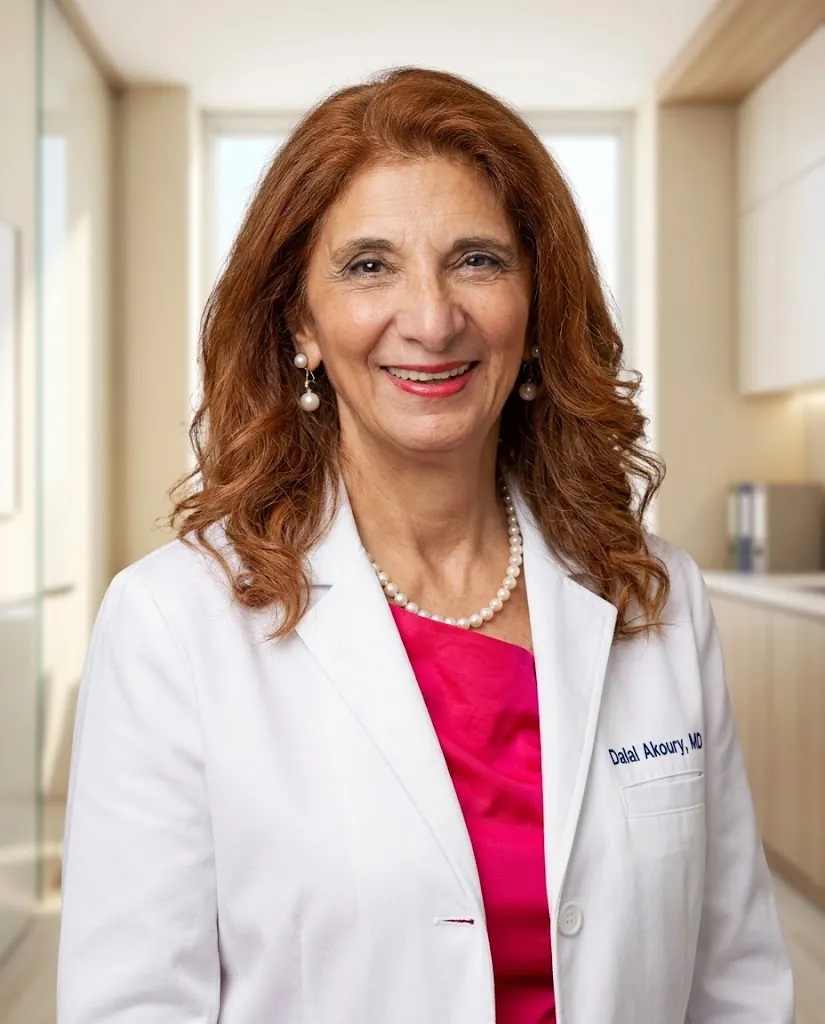
Meet Dr. Dalal Akoury, MD, MPH
Founder and Medical Director of AWAREmed Health and Wellness Resource Center.
Learn more about Dr. AkouryVisit Us in Johnson City, Tennessee
AWAREmed Health and Wellness Resource Center1604 Lamons Lane, Suite 202
Johnson City, TN 37604
(423) 430-6170
We welcome patients from Johnson City, Kingsport, Bristol, Greeneville and the surrounding Tri-Cities area, and we also offer virtual visits.
Take the First Step Toward Personalized Care
Book an appointment with Dr. Akoury to discuss a personalized, whole-person care plan that works alongside your oncologist’s treatment.